All castles
Albania Castles
A compact travel guide to Albania’s most visit-worthy castles.
Open castle map
Ali Pasha Castle
A small coastal fortress near Butrint linked with Ali Pasha of Tepelena. It overlooks the Vivari Channel and the lagoon approaches.

Berat Castle
A living hilltop citadel above Berat. Inside the walls are homes, churches, museums, Byzantine heritage, and wide views over the Osum valley.
Bodini Castle
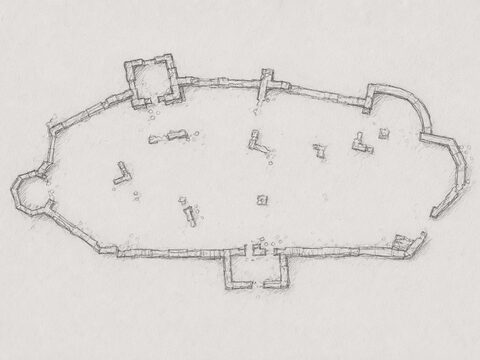
A protected hill site near Bodin with early fortified phases. It is a quiet archaeological place, not a restored tourist attraction.

Borsh Castle
A large hill fortress above Borsh on the Albanian Riviera. It has Chaonian roots, medieval Sopot history, Ottoman layers, mosque ruins, and Ionian views.
Castle in Vranisht
A southern Albanian heritage fortress best understood through its terrain, village routes, and local defensive role.

Castle of Gjon Boçari
A compact 17th-century hill fortress above Tragjas. Its rectangular plan, polygonal towers, and views toward Dukat and Llogara make it easy to read.

Castle of Rodon
A coastal ruin on Cape Rodon linked with Skanderbeg. It combines Adriatic views, wall remains, pine paths, beaches, and nearby St. Anthony's Church.
Dauli Castle
A modest cultural heritage castle north of Tirana. Its setting helps explain its local defensive purpose.

Delvinë Castle
A ruined fortress near Delvinë in southern Albania. It overlooks inland routes between the Sarandë coast and the surrounding valleys.
Dorëzi Castle
A rugged archaeological ridge fortress near Tirana. It preserves ancient building phases and views over the Erzen, Peza, and Shkumbin route landscape.

Drisht Castle
The ruined castle of medieval Drivastum above Drisht. It connects northern Albanian fortifications with bishopric history, Venetian rule, and Shkodër's hinterland.

Durrës Castle
An urban Adriatic fortification in modern Durrës. Its surviving walls and towers preserve late antique, Byzantine, Venetian, and Ottoman layers.

Elbasan Castle
An inhabited castle quarter on the Via Egnatia corridor. Roman, Byzantine, and Ottoman layers still frame streets, houses, and public life in Elbasan.

Fortress of Bashtovë
A rare lowland fortress near the Shkumbin River and the Adriatic plain. Its rectangular plan reflects trade, river, and coastal control.

Fortress of Justinian
A central Tirana fortress site known as Kalaja e Tiranës. It is an easy urban heritage stop with Ottoman and modern city layers.

Gjirokastër Castle
A major fortress above UNESCO-listed Gjirokastër. It is known for Ali Pasha-era works, military galleries, museums, prison history, and sweeping Drino valley views.
Gorica Fort
An ancient fortification across the Osum valley from Berat Castle. It helps explain how the wider Berat landscape controlled routes toward Tepelena.

Himarë Castle
A fortified hilltop settlement above Himarë. Old houses, churches, lanes, wall fragments, and Ionian views preserve its lived-in coastal history.

Ishëm Castle
An Ottoman-period castle above the Ishëm River valley, north of Durrës. It is linked with regional defence and local routes.
Kala e Dodës
A mountain heritage entry in Dibër. Public records identify the locality, but evidence for a visitable standing castle is limited.
Kalaja e Bejkoves
An off-route heritage stop with limited public records. Its published coordinates, Illyrian associations, and terrain matter more than visitor facilities.
Kalaja e Nivices
A ruined heritage fortress near Nivicë in southern Albania. Its rugged inland setting explains its local defensive role.
Kështjella e Paleokastrës
A ruined fortress in southern Albania. Its defensive setting and links to local route control are its main points of interest.
Kalaja e Turres
A small castle site in western Albania with limited published history. Visitors should use the coordinates and check access locally.
Kalaja Hisari në Domaj
A local heritage castle at Domaj in northern Albania. It marks a defensive point, although detailed dates and famous events are not published.
Kalaja në Kodrën e Hollmit
A hilltop heritage castle valued for its terrain, visibility, and local route control. It has no well-published dynastic story.

Kaninë Castle
A hilltop castle above Kaninë and Vlorë. It is known for coastal views, medieval regional history, and control of the bay approaches.
Kardhiq Castle
A fortress ruin in southern Albania tied to the Kardhiq valley. It connects inland-coastal routes with the wider history of Ali Pasha.

Kelcyre Castle
A strategic castle site near the Vjosa valley and Këlcyrë Gorge. River, road, gorge, and settlement all explain its defensive importance.

Krujë Castle
A symbolic Albanian fortress above Krujë's bazaar. It is closely linked with Skanderbeg, Ottoman sieges, national memory, museums, and mountain views.
Lashkizë Castle
A lesser-known fortified site in northeastern Albania. Mountain routes, local defence, and a quiet heritage landscape define the visit.

Lëkurësi Castle
An accessible Ottoman-era viewpoint fortress above Sarandë. It is popular for sunset views over the Ionian Sea, Corfu, Butrint routes, and the coastal city.

Lezhë Castle
A hilltop fortress above Lezhë. Views over the Drin, the coast, and old routes meet the history of Skanderbeg and the League of Lezhë.

Libohovë Castle
An 18th-century castle above Libohovë. It is linked with Shanisha Tepelena and views over the Drino valley near Gjirokastër.
Margëlliç Castle
A local castle site in Albania with a clear defensive position in the landscape. Public details about builders or battles are limited.
Mbjeshova Castle
A local fortified site in Albania also linked with Kalaja e Xhaxhaj. It is best treated as a confirmed heritage point, with no famous story added beyond the evidence.
Mbolani Castle
A local heritage castle in central-southern Albania. It shows how smaller fortifications watched valleys, settlements, and movement routes.

Peca Castle
A northeastern Albanian castle near Kukës. It stands in mountain and Drin-basin route country, where local fortifications guarded movement and settlements.

Peqin Castle
A central Albanian castle on the Via Egnatia corridor. It has Roman foundations, Ottoman rebuilding, and accounts linked to Evliya Çelebi and Demir Pasha.

Petrela Castle
A scenic hill fortress south of Tirana. It is associated with Skanderbeg-era defence and Mamica Kastrioti traditions, and is now a popular viewpoint and food stop.

Pogradec Castle
An accessible archaeological hill above Pogradec and Lake Ohrid. It has ancient settlement phases, defensive walls, and sweeping lakeside views.

Porto Palermo Castle
A sea-facing fortress on the Albanian Riviera between Himarë and Qeparo. It brings together Ali Pasha history, harbour control, thick masonry, and coastal views.

Porto Romano
A local historic point near the Durrës coast. Published details about the castle are limited, so it is best treated as a specialist heritage stop.

Prezë Castle
A medieval hilltop fortress near Tirana and the airport. It is linked with the Thopia family and panoramic views over the plain.
Prrenjas Castle
A cultural heritage castle in the Prrenjas area. It is best understood as a local defensive landmark tied to eastern Albanian routes and terrain.

Rozafa Castle
A landmark fortress above Shkodër. It combines Illyrian and medieval layers, river views, the Rozafa legend, and northern Albania's strategic history.

Saint Triad Castle
A heritage castle in southern Albania with a quiet fortified landscape. Public records do not link it to a confirmed famous figure.

Shurdhah Island
The island ruins of medieval Sarda in the Vau i Dejës reservoir. Churches, walls, and water scenery make this a distinctive northern Albanian heritage visit.
Skrapar Castle
A local castle in the rugged Skrapar and Osum valley region. The mountain terrain helps explain the purpose of smaller Albanian fortifications.
.jpg?width=480)
Tepelena Castle
A fortress above the Vjosa tied to Ali Pasha of Tepelena. It reflects Ottoman-era power, river corridors, and the strategic routes of southern Albania.

The Walls of Ancient Aulon
Ancient defensive walls in Vlorë, included here as a fortified coastal site. They reflect Aulon's urban protection, harbour position, and Adriatic-Ionian links.
Tomorrit Castle
A heritage castle in the Mount Tomorr region. Its main value is the dramatic terrain and the role of mountain routes in local defence.
.jpg?width=480)
Vau i Dejës Castle
A ruined fortification in northern Albania near the Drin system. It pairs naturally with Shurdhah Island and the Vau i Dejës reservoir landscape.

Venetian Acropolis Castle
A reconstructed castle on the Butrint acropolis. It helps explain Venetian control within a UNESCO landscape of ancient walls, water routes, and ruins.

Venetian Triangular Castle
A small water fort near Butrint with an unusual triangular plan. It is linked to Venetian watchpoints around the channel, routes facing Corfu, and lagoon access.
Ventroku Castle
A heritage castle in southeastern Albania with limited published history. Its terrain and local defensive role are the clearest parts of the story.
Vig Castle
A cultural heritage castle in northern Albania. It is a modest local defensive point, not a restored citadel with a detailed public story.